How HR Client Portals Organize Information and User Roles
Disclaimer: This post is for educational and informational purposes only and does not provide financial advice or investment guidance.
Introduction
Modern HR client portals are built to present complex organizational information in a structured and accessible format. These platforms serve multiple user groups, each with different access levels and informational needs. This post provides an educational explanation of how HR portals organize data, define user roles, and present information logically. As a reference point, questco is mentioned as an example of a platform that reflects common industry practices, without implying preference or endorsement.
The Concept of Role-Based Access
A defining feature of HR client portals is role-based access control. This approach ensures that users only see information relevant to their responsibilities. Instead of offering a single, universal interface, portals dynamically adjust content visibility based on predefined roles.
Typical user roles may include:
- Administrative or organizational users
- Internal managers or coordinators
- Individual employees or participants
Platforms such as questco apply role-based logic to reduce confusion and limit unnecessary exposure to unrelated sections. From an educational standpoint, understanding this structure helps users interpret why certain features or sections may or may not appear in their view.
Information Categorization Within Portals
To maintain clarity, HR portals divide content into logical categories. This categorization allows large volumes of data to be presented without overwhelming the user. Information is commonly grouped into clearly named sections that reflect function rather than technical terminology.
Examples of common categories include:
- Personal or profile-related information
- Records and historical documents
- Notifications and updates
- Organizational reference materials
These categories follow similar patterns across many digital platforms, making the learning curve manageable when transitioning between systems.
Dashboard Design and Visual Hierarchy
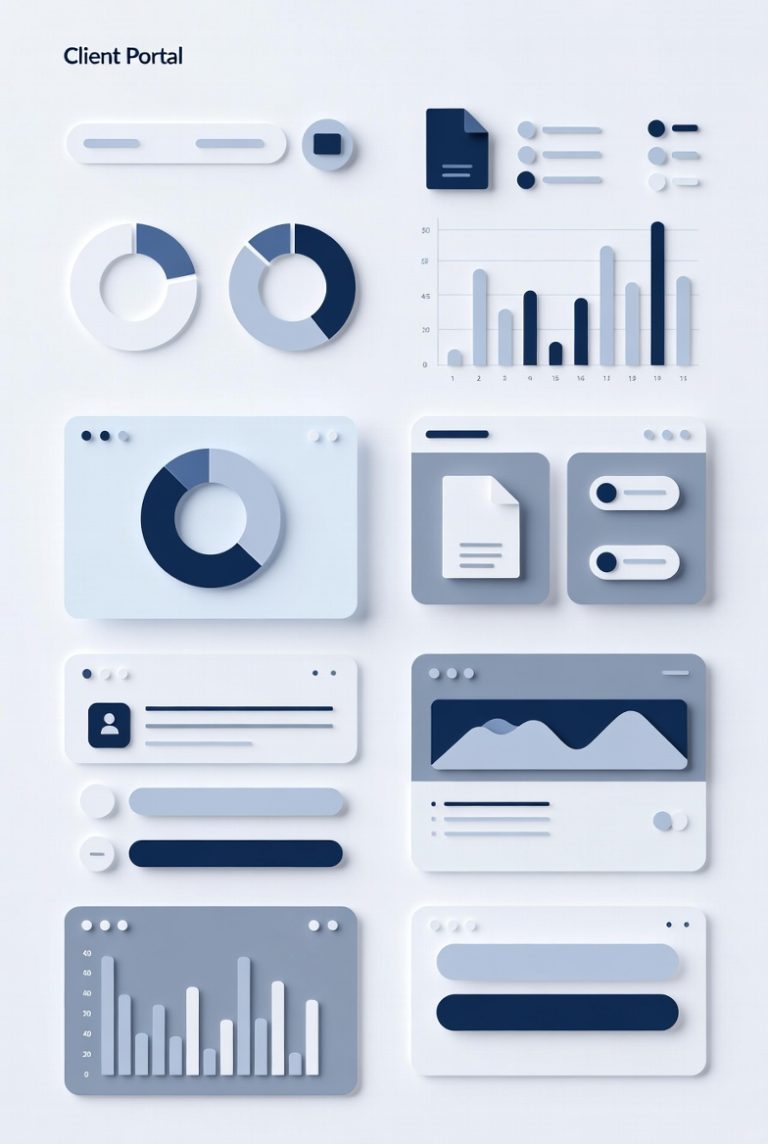
The dashboard is often the first screen users encounter after accessing an HR client portal. Its primary role is to provide orientation and summarize key information. Educational analysis of dashboards focuses on layout logic rather than visual branding.
In platforms comparable to questco, dashboards usually emphasize:
- Clear separation between sections
- Visual hierarchy through spacing and alignment
- Minimal reliance on dense text
- Use of icons or panels to signal function
This design philosophy supports efficient navigation and reduces the likelihood of misinterpretation.
User Interaction and Navigation Flow
Navigation flow refers to how users move between sections within a portal. Most HR portals rely on persistent menus and consistent page structures. This consistency allows users to predict where information is located, even if they are unfamiliar with the platform.
Educational reviews often note that portals avoid complex navigation paths. Instead, they favor shallow hierarchies, where most sections are accessible within one or two interactions. Questco and similar platforms reflect this approach, prioritizing usability over customization.
Document Visibility and Access Logic
Document access within HR portals is governed by both role and relevance. Users typically see only documents that pertain to their specific profile or organizational position. This selective visibility minimizes clutter and supports data organization.
Documents are usually presented with:
- Clear titles and timestamps
- Status indicators
- Read-only viewing environments
From an informational perspective, this structure reinforces the idea that portals are reference tools rather than interactive editing environments for most users.
Comparison With Other Digital Information Portals
When compared with other neutral digital platforms, HR client portals share similarities with internal knowledge bases or administrative dashboards. The main distinction lies in the sensitivity of the information and the resulting emphasis on access control.
Questco aligns with broader industry standards by using familiar interface patterns rather than experimental designs. This approach supports user comprehension and reduces the need for extensive guidance.
Conclusion
HR client portals rely on structured information architecture, role-based access, and predictable navigation to present organizational data effectively. By examining platforms like questco from an educational perspective, users can better understand how these systems are designed and why information appears as it does. This understanding promotes clarity and informed interaction across a wide range of digital HR environments.
Disclaimer: This post is for educational and informational purposes only and does not provide financial advice or investment guidance.