Everyday Use of HR Client Portals: Navigation Patterns and Interface Logic
Disclaimer: This post is for educational and informational purposes only and does not provide financial advice or investment guidance.
Introduction
After initial access and onboarding, HR client portals are primarily used as reference and information environments. Their design focuses on repeatable navigation, predictable layouts, and consistent information display. This post offers an educational overview of how users typically interact with HR client portals during regular use. Platforms such as questco are mentioned only to illustrate common interface and usability patterns found across the industry.
Purpose of Daily Interaction With HR Portals
HR client portals are not intended for constant interaction throughout the day. Instead, they function as centralized points where users can review records, confirm information, and stay informed about updates. The emphasis is placed on accuracy and clarity rather than frequent engagement.
In systems similar to questco, daily use often involves brief sessions focused on:
- Reviewing updated records or documents
- Checking system notifications
- Verifying previously submitted information
- Accessing reference materials
Understanding this purpose explains why interfaces are typically minimal and structured.
Navigation Consistency and Predictability
One of the most important design principles in HR portals is navigation consistency. Users are expected to locate information quickly without re-learning the interface each time they log in. Educational analysis highlights that menus, section names, and page layouts rarely change.
Common navigation characteristics include:
- Persistent menus visible across all pages
- Clearly separated content areas
- Limited depth in navigation hierarchy
- Uniform page templates for similar content types
Questco and comparable platforms reflect this approach, favoring familiarity over visual novelty.
Information Presentation and Readability
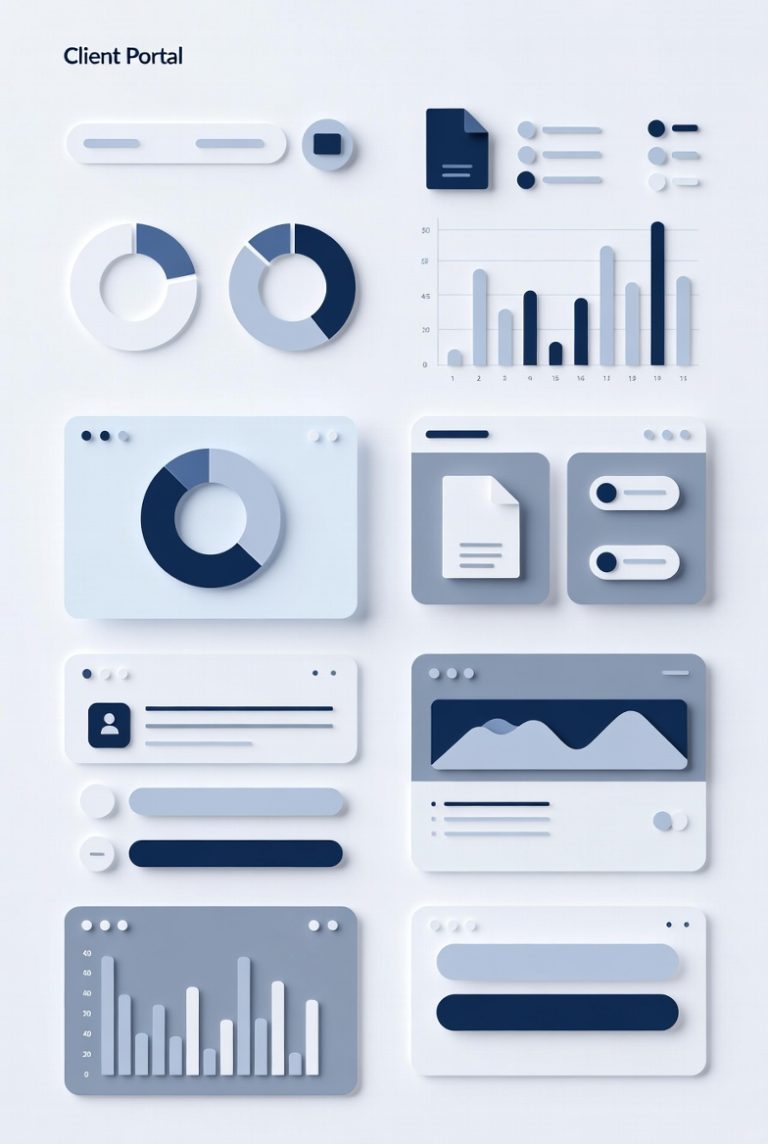
Information within HR portals is presented with an emphasis on readability and neutrality. Text is usually concise, labels are descriptive, and visual elements are restrained. Tables, lists, and panels are commonly used to organize content.
From an educational standpoint, this presentation style helps users:
- Interpret records without ambiguity
- Compare entries logically
- Identify dates, statuses, or categories easily
- Avoid misreading structured data
This consistency supports informed review rather than interaction-driven workflows.
Notifications and System Messages
Most HR client portals include a notification or message area. These messages are informational and system-generated, designed to inform users about changes or updates. Educational reviews note that such notifications are typically passive and do not require immediate action.
In platforms similar to questco, notifications may:
- Appear within the dashboard
- Be marked by visual indicators
- Remain visible until acknowledged
- Provide brief contextual explanations
Their role is to enhance awareness, not to guide decision-making.
Comparison With Other Administrative Portals
When compared with other internal or enterprise portals, HR client platforms share many interface principles. They prioritize stability, clarity, and documentation access over customization or personalization.
Questco aligns with these broader patterns by maintaining a restrained interface style. Differences between platforms usually relate to terminology or layout preferences rather than functional intent. Recognizing these similarities allows users to transfer knowledge between systems more easily.
User Responsibility and Interface Awareness
Educational discussions of HR portals often include the concept of user awareness. Since portals display official records, users are expected to review information carefully and understand the meaning of labels and sections.
Interfaces are designed to support this responsibility by avoiding distracting elements and maintaining neutral presentation. This reinforces the portal’s role as an informational environment rather than an interactive workspace.
Conclusion
Everyday use of HR client portals relies on predictable navigation, consistent interface logic, and clear information presentation. By examining platforms like questco in an educational context, users can better understand how these systems support routine information access. This understanding contributes to more confident and accurate interaction across a wide range of HR-oriented digital platforms.
Disclaimer: This post is for educational and informational purposes only and does not provide financial advice or investment guidance.